On this page: |
What is alcohol?
Alcohol is a psychoactive (mind-altering) drug that affects the way we think and behave. It is a depressant that slows down our heart rate, breathing, thoughts and actions.
There are many different types of alcoholic beverages made from fermented or distilled grains, fruits or vegetables. These beverages are available in our local liquor stores as beers, which usually contain 5% alcohol, wines with 12%, and spirits with 40%.
Why do we drink alcohol?
Humans have been using alcohol for all sorts of reasons for at least 10,000 years. For some, alcohol has served as a source of nutrients as well as a medicinal tool for relieving pain. For others, it has been used to mark rites of passage and to celebrate special occasions or success. Alcohol has also been a strong catalyst for enhancing the enjoyment of ordinary life. But like other drugs, alcohol can also be harmful.
While celebrating with a glass of champagne can accentuate meaningful moments in our loved ones' lives, too many glasses can turn a happy gathering into an angry, and potentiallyviolent situation. Relaxing after work with a bottle of beer can be a rewarding way to enjoy our downtime. But when a bottle turns into a case, we increase the likelihood of making unsafe choices such as driving while impaired. And while a glass of wine may help to alleviate stress, continuing to use alcohol as a means for relief can affect our health and relationships.
What happens when we drink alcohol?
When we drink, alcohol is absorbed into our bloodstream through the stomach and small intestine. It then travels through the body to the brain. There it slows down the activity between the nerve cells on the brain's "pleasure pathway." This usually makes us feel more relaxed. However, a moderate amount of alcohol can also make us feel energized.
In small amounts, alcohol can make us feel more sociable and talkative. In larger quantities, this may continue, but as our inhibitions disappear, so does our balance, vision, coordination and ability to make important decisions.
It is important to note that alcohol has different effects on different people. It is not just a matter of how many drinks we consume. Our blood alcohol content (BAC) is also affected by our size and gender. Other factors that can influence how alcohol will affect us include our
-
past experiences with alcohol,
-
personality and emotions, and
-
present mood and surroundings.
The majority of BC residents drink alcohol
-
62% in the past month
-
77% in the past year
-
88% in their lifetime
Lower-risk drinking
Canada's Guidance on Alcohol and Health suggests that both men and women should have no more than two drinks per week to keep their risk of harm from alcohol low.
Health effects
Sometimes, when discussing alcohol and health, we forget that there can be benefits. For instance, one or two drinks can temporarily boost our self-confidence or reduce anxiety and make socializing easier and more pleasant. However, a few more drinks can lead us to take unnecessary risks such as having unprotected sex. Being too intoxicated can also leave us less in control of our own bodies and behaviour, leading to embarrassing actions we may regret later or not even remember because of how alcohol can "black out" our ability to recall what happened.
For both men and women, and in particular those who drink more than the recommended weekly limits, alcohol can increase the risk of heart disease, stroke and several types of cancer. Some research suggests even small amounts of alcohol can lead to cancer in women. Over time, drinking large amounts can also cause cirrhosis, where the liver stops functioning properly. Heavy alcohol use by women can lead to fertility problems, and drinking alcohol while pregnant may harm the fetus.
Alcohol poisoning
If we drink too much in a short amount of time, we can develop alcohol poisoning, which affects our breathing, heart rate and gag reflex, and at worst can lead to coma and even death.
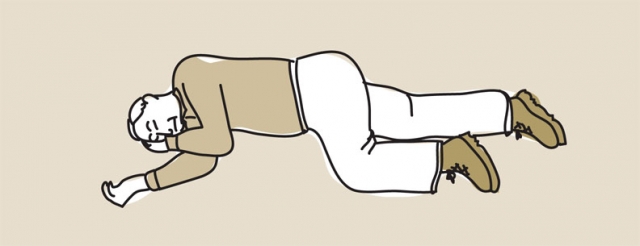
If someone you know is showing signs of alcohol poisoning, call 911 right away. Remain with the person. If able to help further, try to wake up the person who has passed out. If they do not regain consciousness, roll them onto their side into the recovery position so they won't choke if they throw up. This is especially important if the person's skin is pale, blue or cold, or if their breathing is irregular or too slow or shallow (less than 8 breaths per minute or more than 10 seconds between breaths).
A helpful tip to prevent alcohol poisoning is to slow down. Avoid having more than two drinks on any occasion and eat foods—especially those high in protein—while drinking to slow the absorption of alcohol.
What is a "standard drink"?
-
A normal sized can/bottle of regular beer (350ml or 12oz at 5% alcohol)
-
A regular highball or cocktail (45ml or 1.5oz shot of hard liquor at 40%)
-
A small glass of sherry or port (95ml or 3.5oz at 18% alcohol)
-
A small glass of wine (150ml or 5oz at 12% alcohol) (750ml bottle of wine = 5 drinks)
Recovery position
-
Raise person's closest arm above their head. Prepare the person to roll toward you.
-
Gently roll the person's entire body toward you. Guard their head while you roll them.
-
Tilt the person's head to keep their airway open. Tuck their nearest hand under their cheek to help keep their head tilted.
When is drinking a problem?
Drinking alcohol is a problem when it negatively affects our life or the lives of others. Many people imagine this refers to people who consume alcohol "all day everyday," but even small amounts of alcohol can sometimes cause us problems with relationships, money or the law. Even people who normally drink responsibly can drink too much and make poor decisions.
What's important to recognize is that the issue of "problem drinking" may not only be the alcohol itself but the adverse consequences of harmful drinking patterns.
One consequence that can develop is tolerance. This happens when it takes more and more alcohol to experience the same physical effects. If we drink regularly, we can develop another type of problem—dependence. This means that we need alcohol to cope with daily life.
The reasons people use alcohol influence their risk of developing problems. For instance, if a person uses alcohol to have fun, only occasional social use may follow. But when a person drinks to cope with a long-term problem such as chronic stress, then more long lasting and intense use may follow.
People who develop a dependence on alcohol may feel anxious or experience signs of withdrawal—headaches, nausea, and "the shakes"—within 8 to 12 hours of having their last drink. Severe alcohol withdrawal can be dangerous and may require medical assistance.
Alcohol use by young people is risky, particularly if the young person drinks regularly or gets drunk. Alcohol can interfere with brain development and with developing normal relationships with peers. Early regular use is associated with a wide range of problems later in life. Canada's Guidance on Alcohol and Health suggests that young people delay drinking alcohol until adulthood.
Mixing alcohol with other substances
We sometimes mix alcohol with other drugs to experience different feelings or to offset unwanted side effects. But there is a lot of potential risk in combining substances as they can act together in unexpected ways. The following are some common combinations and their related effects.
Other depressants. These are substances such as sleeping pills or heroin that slow down our heart rate and make us feel more relaxed. Since alcohol is itself a depressant, drinking while using the same category of drugs can intensify these effects and greatly increase our chance of overdose or death.
Stimulants. These are substances such as energy drinks and cocaine that increase our heart rate and make us feel more energetic. When combined with alcohol, they can increase our blood pressure and, contrary to popular belief, mask the depressant effects of alcohol instead of sobering us up. This can cloud our judgment about how intoxicated we are and lead to riskier behaviours.
Cannabis. Combining cannabis with alcohol impairs our reflexes more severely than either would alone. This makes driving while intoxicated on both substances especially dangerous as we are less likely to react quickly when needed.
Medications. When prescription or over-the-counter medications are used with alcohol, there is the potential for side effects or for the medicinal benefits to cancel out. Taking the time to read medication labels or consulting with a pharmacist can reduce these risks. For more information about alcohol and other drug interactions, you can always speak with a local healthcare provider.
How to make healthier choices about drinking
Whenever we decide to drink alcohol, it is helpful to know what steps we can take to ensure that our drinking behaviour is the least harmful possible. The following are some useful guidelines to follow.
Not too much. Managing how much we drink in a given period helps decrease risky behaviours.
Tip: Drink slowly and alternate between non-alcoholic and alcoholic beverages.
Not too often. Drinking small amounts of alcohol or reducing the amount you currently drink helps to reduce harms to ourselves and others over time.
Tip: Keep less alcohol at home and avoid drinking most days of the week.
Only in safe contexts. Making informed decisions about where we drink helps to minimize alcohol-related harm.
Tip: If going to a bar or club, stay with a group and choose an establishment that is well lit and near safe transportation options.
Is drinking alcohol legal?
In BC, alcohol is legal for people aged 19 and over. However, driving while impaired is illegal and can lead to penalties for non-compliance. It is never advised to drive under the influence of even a small amount of alcohol, and new drivers are expected to have a zero blood alcohol content (BAC) at all times. Operating a vehicle with a BAC between 0.05% and 0.08% can lead to a temporary driving ban, vehicle impoundment and a fine (plus related fees). For drivers with a BAC over 0.08%, sanctions are stiffer and the costs heavier, and criminal charges may result.
What to do if you or someone you know wants to explore change
For information on treatment options and resources throughout BC, call the Alcohol and Drug Information Referral Service at 1-800-663-1441. In Greater Vancouver, call 604-660-9382.
To better understand how substances play a role in your life, visit the You and Substance Use Workbook on the Here to Help website: www.heretohelp.bc.ca. This website also features detailed information on substance use and mental health.
About the author

The Canadian Institute for Substance Use Research, formerly CARBC, is a member of the BC Partners for Mental Health and Substance Use Information. The institute is dedicated to the study of substance use in support of community-wide efforts aimed at providing all people with access to healthier lives, whether using substances or not. For more, visit www.cisur.ca.