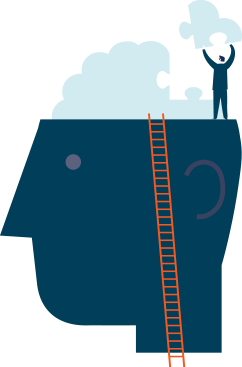
Depressive disorders are a group of mental illnesses that relate to low mood and mood dysregulation. They used to be part of a group of illnesses called mood disorders. Depressive disorders include depression (also called major depressive disorder), persistent depressive disorder (also called dysthymia), premenstrual dysphoric disorder, and disruptive mood disorder. Illnesses formerly called seasonal affective disorder and postpartum depression are still in this group.
Major depressive disorder (depression)
Major depressive disorder or depression changes the way people experience their lives, leaving them with mental and physical symptoms for long periods of time. Depression can look quite different between people. Many people see depression as sadness or feeling tearful. However, symptoms of depression may include irritability or anger. Some people feel restless or on edge and have a lot of anxiety. Many people with depression feel numb—they don't have many feelings at all. And some notice physical complaints like headaches, aches or pains more than mood changes.
Depression can occur as a result of a life event such as the loss of a job, the end of a relationship or the loss of a loved one, or other life stresses like a major deadline, moving to a new city, major changes in their networks, or having a baby. Sometimes there is no reason at all.
About 5% of Canadians have experienced depression in the last year, and about 11% of Canadians will experience depression at some point in their lifetime. It’s a real illness—and more than just a bad day.
Depression and suicide
Some people who experience depression may have thoughts of dying or ending their life. These thoughts can be very scary for the person who has them, and caring friends or loved ones may wonder what they can do to help. It's important to seek help of you experience thoughts of suicide and take people seriously if they mention suicide. For help at any time, call 1-800-784-2433 (1-800-SUICIDE).
Depression and psychosis
Some people experience psychosis during an episode of severe depression. There are two parts to psychosis: delusions and hallucinations. Delusions are strong beliefs that aren't true, such as the belief that you have special powers. Hallucinations are things you sense that aren't real. Depression with psychotic features can include delusions, hallucinations, feelings around inadequacy or guilt, and other symptoms that impact daily life.
Depressive disorder with seasonal pattern—previously called seasonal affective disorder
This is a type of depression that comes up during different seasons. It's more common in the fall or winter, with improvements in symptoms in the spring. A smaller number of people experience depression the summer that diminishes in the fall or winter. Depressive disorder with seasonal can return in future years.
Depressive disorder with peripartum onset—previously called postpartum depression
Episodes of depression can start during pregnancy or shortly after birth. Up to half of people who experience this type of depression start to experience symptoms before they give birth. Depression that starts during pregnancy or after birth can cause anxiety or even panic attacks. In very rare cases, people may experience psychosis. Between 3% and 6% of people who give birth experience this type of depression.
Persistent depressive disorder or dysthymia
Persistent depressive disorder is low mood most days for two or more years (for one year in children). People with persistent depressive disorder experience low or depressed mood along with symptoms like hopelessness, low self-esteem, fatigue, difficulties concentrating, changes in sleep, and changes in eating patterns. Symptoms or persistent depressive disorder last for a much longer period of time than they do with major depressive disorder.
Premenstrual dysphoric disorder
This illness affects people who menstruate in the week before their period starts, eases within a few days of the start of their period, and is minimal between periods. People experience symptoms of persistent depressive disorder (dysthymia) along with symptoms like mood swings, anxiety, irritability, hopelessness, and physical signs like bloating, pain, and breast tenderness.
Disruptive mood dysregulation disorder
Disruptive mood dysregulation disorder affects children under 10. Children may experience severe irritability or anger for long periods of time. Children with this disorder often experience temper outbursts when they feel frustrated that are different from their current developmental stage.
Could I have a depressive disorder?
-
I feel sad, down, empty or hopeless most of the time
-
I've lost interest in activities I used to enjoy
-
I'm irritable and feel angry for no reason
-
I feel worthless, guilty, or have low self-esteem most of the time
-
I have a hard time concentrating or making decisions
-
I feel restless or move slowly
-
My sleeping patterns have changed: I often can't sleep or I often sleep much more than usual
-
My appetite or weight have changed
-
I often feel tired
-
I've had thoughts of death or ending my life
If you've experienced some these signs for two or more weeks, it's a good idea to talk to a health care provider like a doctor, nurse/nurse practitioner, psychologist, or counsellor.
What can I do about it?
If you're concerned about your mental health, start by talking with a health care provider. Many people use a combination of treatment approaches, such as a medication alongside psychotherapy. Your exact treatment will depend on your specific diagnosis, situation, goals, and other factors. Your treatment plan may include some combination of the following:
Psychotherapy
There are many types of counselling and psychotherapy for people living with depression and have evidence of their use. Common forms of psychotherapy for people living with depression are cognitive-behavioural therapy, interpersonal therapy, and behavioural activation. Other therapies like acceptance and commitment therapy, solutions-focused therapy, emotion-focused therapy, mindfulness-based cognitive behavioural therapy, narrative therapy, and more all show benefits.
-
Cognitive-behavioural therapy or CBT is the most common therapy treatment for mood disorders. CBT helps you understand the relationship between your mood, thoughts and behaviours. It also teaches skills like problem-solving that may help prevent symptoms from coming back in the future.
-
When you're depressed, relationships can also suffer. Interpersonal therapy or IPT supports skill development and approaches to interact with others, find meaning in relationships with others, and find what works best for you.
-
People who experience depression often isolate and reduce their usual activities, which can reinforce the thinking patterns that drive depression. Behavioural activation or BA helps you understand your own patterns of thoughts, feelings and behaviours and take action.
Medication
Depression and depressive disorders are most commonly treated with medications called antidepressants. There are many different kinds of antidepressants, so you may have to try several options to find the best medication for you. Other medications may be prescribed along with an antidepressant.
Neurostimulation
These treatments may help when other approaches like medication and psychotherapy haven't reduced symptoms or when you can't take medication. Repetitive transcranial magnetic stimulation or rTMS uses short pulses from magnets to stimulate nerve cells. Electroconvulsive therapy or ECT uses electrical currents to treat mental illnesses. These treatments are safe and can be effective.
Light therapy
People who experience depressive disorder with seasonal pattern (previously known as seasonal affective disorder) may find light therapy helpful. Light therapy uses a special kind of light that's much brighter than indoor lighting and mimics outdoor light. This may not be a good option for everyone, so it's important to talk to your doctor before you start light therapy.
Self-management
Self-management is all of the things you do on your own to help keep you feeling better. Regular exercise, eating well, getting enough sleep and keeping a consistent sleep schedule, managing stress, spending time with friends and family, practicing spirituality and monitoring your use of alcohol and other substances can help manage mood problems.
Where do I go from here?
In addition to talking to your family doctor, check out the resources below for more information on mood disorders:
Mood Disorders Association of BC
Visit www.mdabc.net or call 604-873-0103 (in the Lower Mainland) or 1-855-282-7979 (in the rest of BC) for resources and information on depressive disorders. You'll also find more information on support groups around the province.
BC Partners for Mental Health and Substance Use Information
Visit www.heretohelp.bc.ca for info sheets and personal stories about depressive disorders and other mental illnesses. You’ll also find more information, tips, and self-tests to help you understand and manage depression and many other mental health problems.
Canadian Mental Health Association, BC Division
Visit www.cmha.bc.ca or call 1-800-555-8222 (toll-free in BC) or 604-688-3234 (in Greater Vancouver) for information and community resources on mental health or any mental illness. You can also learn more about two helpful programs:
-
Bounce Back is a free program for adults experiencing mild to moderate depression, stress, or worry, using self-help materials and telephone coaching: www.bouncebackbc.ca
-
Living Life to the Full is a fun and engaging mental health promotion course that helps people learn skills to deal with the stresses of everyday life: www.llttf.ca
BC Mental Health Support Line
If you are in distress, call 310-6789 (no area code) 24 hours a day to connect to a BC crisis line, without a wait or busy signal. The crisis lines linked in through 310-6789 have received advanced training in mental health issues and services by members of the BC Partners for Mental Health and Substance Use Information.
HealthLink BC
Call 811 or visit www.healthlinkbc.ca to access free, non-emergency health information for anyone in your family, including mental health information. Through 811, you can also speak to a registered nurse about symptoms you're worried about, or talk with a pharmacist about medication questions.
1-800-SUICIDE
If you are in distress or are worried about someone in distress who may hurt themselves, call 1-800-SUICIDE 24 hours a day to connect to a BC crisis line, without a wait or busy signal. That's 1-800-784-2433.
About the author

The Canadian Mental Health Association promotes the mental health of all and supports the resilience and recovery of people experiencing a mental illness through public education, community-based research, advocacy, and direct services. Visit www.cmha.bc.ca.