
Young people's mental health

Mental Health Care and Youth

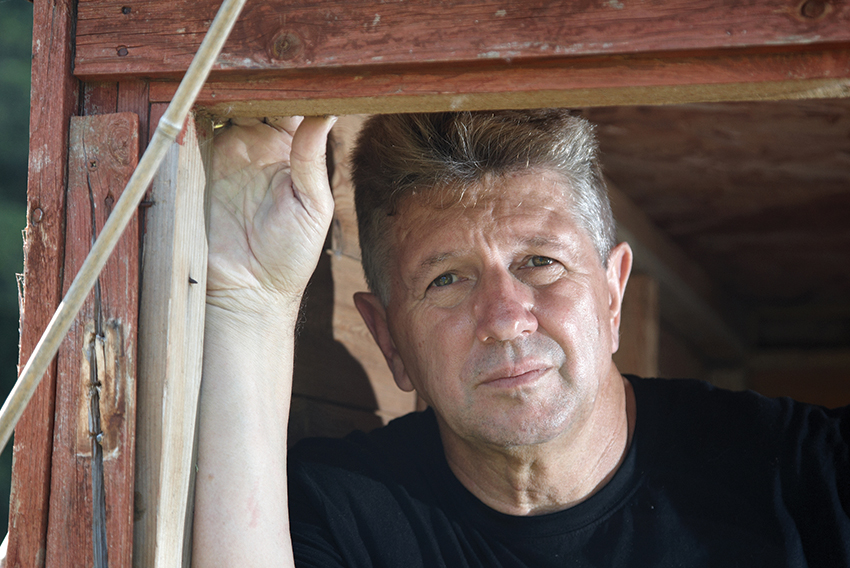
Initially, it was hard for Ryan and his family to find supports and services after Ryan came out as trans and wanted to transition. Having the right pieces in place made all the difference—supportive family and access to service providers who understood the bigger picture. However, many young people, including in Ryan’s life, who experience complicated challenges around mental health and gender identity aren’t receiving the care and support they need.
Crossing the Bridge

Anita entered government care at 13, when it wasn't safe to be at home. They dropped out of school—less than half of foster kids graduate—and battled depression. Mental illness was a monster, and Anita was scared to ask for help. The care system leaves people on their own too early, and youth in care need more. Now, Anita uses their experiences and insights to fight for others, advocating for better support for foster kids aging out of care.

Stigma, Resilience and Health Care for Marginalized Youth

When young people experience trauma, abuse, abandonment, or other difficult experiences, the system labels them "at risk" or "vulnerable" and makes it sound like the youth themselves are the problem. But the real problem is in the stigma and discrimination that excludes and marginalizes youth who are just trying to survive the best they can. When we build positive relationships with youth and offer inclusive and non-judgemental support, we bring people into our communities rather than push them aside.

Editor's Message

It was hard to find contributors for this issue of Visions. Not because there is a shortage of stories or experiences, but because young people who have been marginalized don’t have many reasons to trust another mental health and substance use organization. We are grateful for the young people who gave us a chance, and we’re inspired by the leadership, resilience, and activism from the youth in this issue.

Body-Focused Repetitive Behaviours and Young People

Body-focused repetitive behaviours, or BFRBs, are a cluster of habitual behaviours that include hair pulling, skin picking, nail biting, nose picking, and lip or cheek biting. Currently, the most recent edition of the clinician’s diagnostic manual (DSM-5), has listed both hair pulling, called Trichotillomania, and skin picking, called skin excoriation, as BFRBs that are of clinical concern.

Test Anxiety

The intent of this booklet is to help students and parents better understand test anxiety, and to provide methods to help students cope with test anxiety and ultimately be successful in their courses. Students should read this booklet carefully, consider which aspects of test anxiety apply to them, and then identify coping strategies that may help address the anxiety.

Young People: Self-injury

Self-injury (also called nonsuicidal self-injury or NSSI) is not uncommon: 15-20% of youth and young adults report self-injury. However, there are a lot of misconceptions and assumptions about self-injury, which can prevent people from getting help they need and working towards recovery. In this issue of Visions, learn more about self-injury, find strategies to help you in your own recovery, see how you can support a loved one, find support and resources, and learn from others who are navigating different parts of their own recovery journeys. 

Stay Connected

Sign up for our various e-newsletters featuring mental health and substance use resources.

  • eVisions: BC's Mental Health and Substance Use Journal, a theme-based magazine
  • Healthy Minds | Healthy Campuses events and resources
  • Within Reach: Resources from HeretoHelp
  • EmbodyBC updates and news
  • BC Schizophrenia Society's Monthly Newsletter and Youth In Mind Newsletter

Sign up now